The concept of small space big design has become increasingly important in modern living, where urbanization, rising property costs, and minimalist lifestyles have reshaped how people use space. Smaller homes, apartments, and studios no longer mean compromising on comfort or aesthetics. Instead, they challenge designers and homeowners to think creatively, maximizing every square foot with intention and style. Small space big design focuses on smart planning, multifunctional elements, and visual techniques that make compact interiors feel spacious, organized, and elegant. This article explores practical strategies, design principles, and current trends that help transform limited spaces into high-impact living environments.
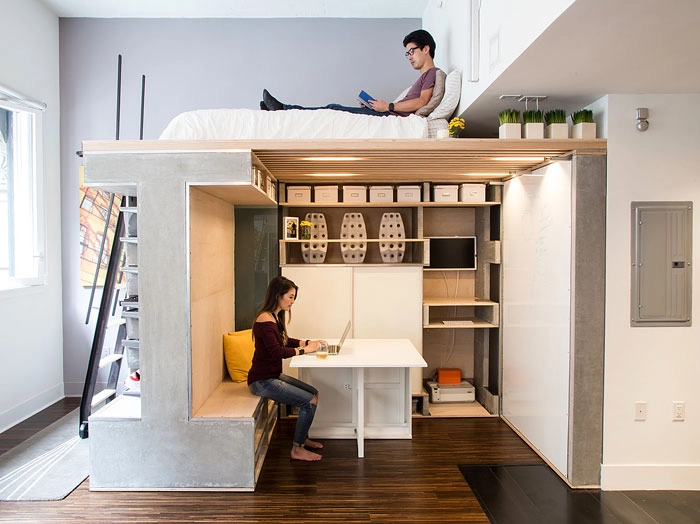
What Does Small Space Big Design Mean?
Small space big design refers to an interior design approach that prioritizes efficiency, creativity, and visual impact within limited square footage. Rather than focusing on size, it emphasizes how space is used. This philosophy blends functionality with aesthetics, ensuring that every element serves a purpose while contributing to the overall design. Big design does not mean overcrowding; it means intentional choices that create balance, flow, and personality. Whether it’s a studio apartment, tiny home, or compact office, this approach allows small spaces to feel thoughtfully designed rather than constrained.
Why Small Space Design Matters Today
The importance of small space big design has grown as cities become denser and living spaces shrink. According to global housing trends, compact living is no longer temporary but a long-term reality for many. Well-designed small spaces improve daily comfort, productivity, and mental well-being. They reduce clutter, encourage organization, and support sustainable living by minimizing excess consumption. Designers now view small spaces as opportunities for innovation rather than limitations. This shift has elevated compact interiors into some of the most creative and admired design solutions worldwide.
Understanding Space Planning Fundamentals
Effective space planning is the foundation of small space big design. It involves analyzing how a space is used, identifying traffic flow, and allocating zones for different activities. Clear planning prevents overcrowding and ensures functionality. Designers often use scaled layouts and furniture placement strategies to optimize movement. Vertical space, corners, and underutilized areas become valuable assets. Good space planning allows small rooms to feel intuitive and comfortable, proving that thoughtful organization is more important than square footage.
The Role of Multifunctional Furniture
Multifunctional furniture is a cornerstone of small space big design. Items like sofa beds, extendable dining tables, and storage ottomans perform multiple roles without occupying extra space. These pieces adapt to changing needs, making them ideal for compact homes. Built-in furniture, such as wall beds or seating with hidden storage, further enhances efficiency. By reducing the number of standalone items, multifunctional furniture creates cleaner, more open interiors while maintaining full functionality.
Maximizing Vertical Space Effectively
When floor space is limited, vertical space becomes essential. Shelving units, wall-mounted cabinets, and tall bookcases draw the eye upward, making rooms feel taller. Small space big design often incorporates vertical storage to free up floor area and reduce clutter. Hanging lighting fixtures, artwork placed higher on walls, and ceiling-height curtains enhance the perception of height. This approach not only increases storage capacity but also adds visual interest and structure to compact rooms.
Color Choices That Expand Visual Space
Color plays a powerful role in shaping how small spaces feel. Light, neutral tones such as white, beige, and soft gray reflect light and create openness. However, small space big design does not avoid bold colors entirely. Strategic use of accent walls or darker tones adds depth and character. Monochromatic palettes help maintain visual continuity, preventing the space from feeling fragmented. The right color balance can make even the smallest room appear larger and more cohesive.
Lighting Strategies for Small Spaces
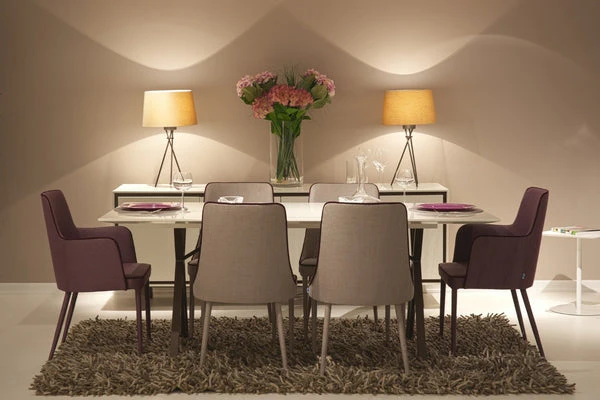
Lighting is crucial in small space design because it affects both functionality and mood. Natural light should be maximized by using sheer curtains or minimal window treatments. Artificial lighting layers—ambient, task, and accent—add depth and flexibility. Small space big design often uses wall sconces, under-cabinet lighting, and recessed fixtures to save space. Proper lighting eliminates dark corners, making rooms feel open, warm, and inviting.
Open-Concept Layouts and Flow
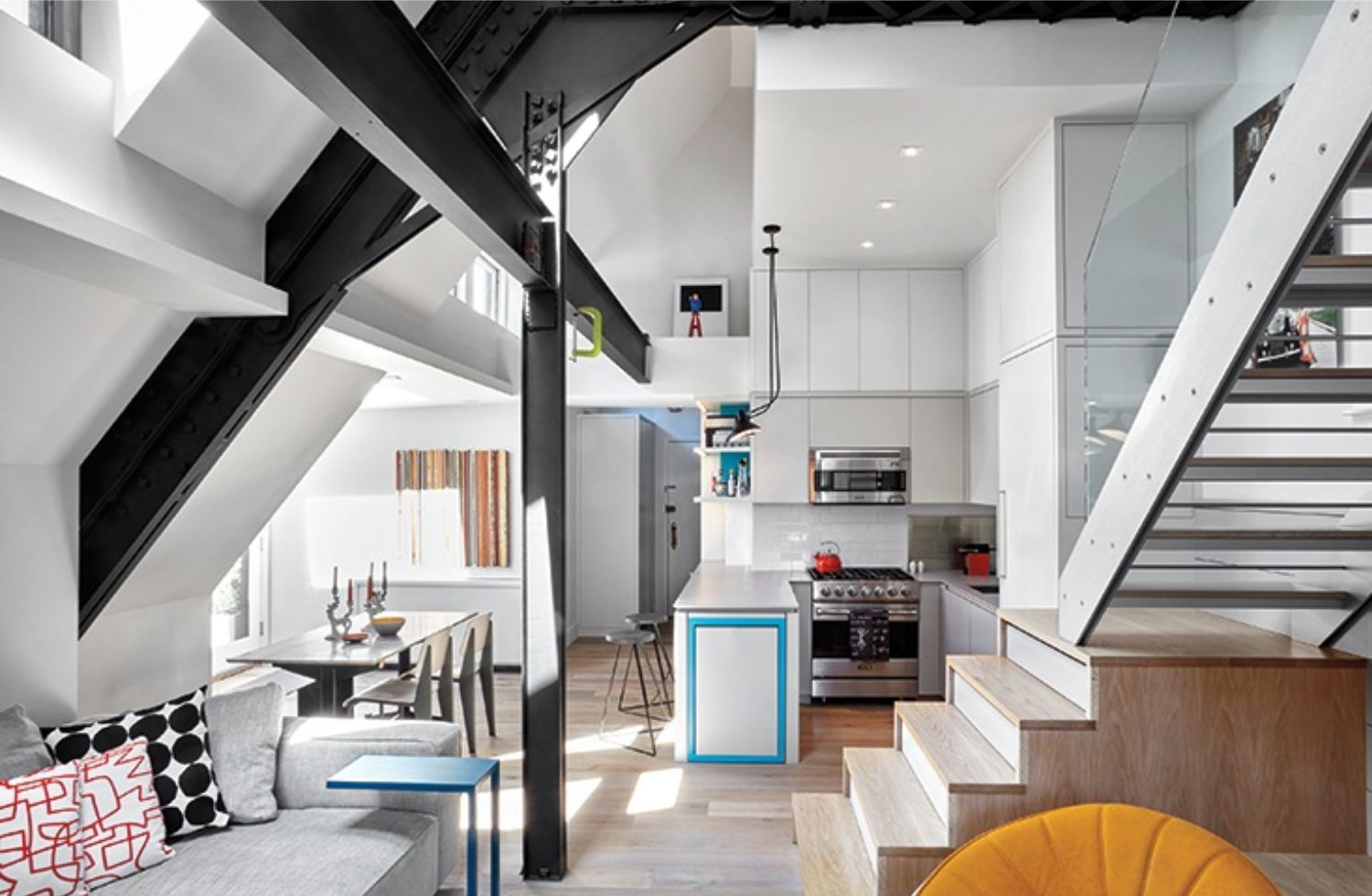
Open layouts are commonly used in compact homes to enhance flow and flexibility. Removing unnecessary partitions allows light and movement to travel freely. However, zoning remains important. Rugs, lighting changes, and furniture placement help define areas without walls. This balance between openness and structure is central to small space big design. An open-concept approach makes spaces feel larger while still supporting different functions.
Storage Solutions That Blend with Design
Storage is essential in small homes, but it should never dominate visually. Small space big design integrates storage seamlessly into the décor. Built-in cabinets, hidden drawers, and furniture with concealed compartments reduce clutter. Floating shelves provide storage without bulk. When storage solutions match the overall design style, they enhance rather than disrupt the space. Smart storage ensures that compact interiors remain organized and visually calm.
Using Mirrors and Reflective Surfaces
Mirrors are a classic technique in small space big design because they reflect light and create the illusion of depth. Large mirrors or mirrored furniture visually double the space. Reflective surfaces like glass, polished metals, and glossy finishes further enhance brightness. When placed strategically, mirrors can highlight focal points and improve natural light distribution. This simple yet effective strategy makes compact rooms feel airy and expansive.
Designing Small Bedrooms with Big Impact
Small bedrooms require careful balance between comfort and practicality. Platform beds with built-in storage, wall-mounted nightstands, and minimal décor reduce visual clutter. Small space big design in bedrooms often focuses on creating a calm retreat using soft textures and cohesive color schemes. Thoughtful lighting and vertical storage ensure functionality without sacrificing relaxation. Even compact bedrooms can feel luxurious with intentional design choices.
Kitchen Design in Compact Spaces
Kitchens are among the most challenging areas in small homes. Efficient layouts, such as galley or L-shaped kitchens, maximize usability. Small space big design emphasizes integrated appliances, pull-out storage, and streamlined cabinetry. Light colors and reflective surfaces keep kitchens bright. Multifunctional elements, like fold-down tables, add flexibility. A well-designed small kitchen can be just as functional as a larger one.
Small Bathrooms with Smart Design
Bathrooms often have the smallest footprint but high functional demands. Wall-mounted fixtures, floating vanities, and recessed shelving save space. Small space big design in bathrooms focuses on simplicity and organization. Glass shower enclosures and light tiles enhance openness. Smart storage keeps essentials accessible without clutter. With the right layout, small bathrooms can feel clean, efficient, and spa-like.
Living Rooms in Limited Spaces
Compact living rooms benefit from streamlined furniture and clear focal points. Sofas with slim profiles, nesting tables, and wall-mounted media units save space. Small space big design avoids overcrowding by prioritizing essential elements. Layered lighting and textured accessories add warmth. Even small living rooms can feel inviting and stylish when designed with intention.
Personal Style in Small Spaces
Small spaces should still reflect personal style. Artwork, textiles, and décor bring character without overwhelming the room. Small space big design encourages quality over quantity, choosing meaningful pieces rather than excess. Personal touches make compact homes feel unique and lived-in. When style is curated thoughtfully, small spaces become expressive rather than restrictive.
Sustainability and Small Space Living
Compact living naturally supports sustainability by reducing energy use and material consumption. Small space big design often incorporates eco-friendly materials, energy-efficient lighting, and durable furniture. Sustainable design choices enhance long-term value while supporting environmental responsibility. Small spaces encourage mindful living, aligning comfort with conscious design practices.
Common Mistakes to Avoid
Overfilling rooms, ignoring vertical space, and poor lighting are common mistakes in small interiors. Small space big design requires restraint and planning. Oversized furniture and excessive décor can quickly overwhelm a compact room. Avoiding these pitfalls ensures that the space remains functional, balanced, and visually appealing.
Future Trends in Small Space Big Design
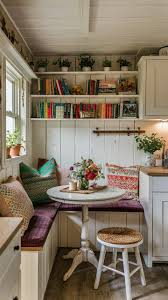
As urban living evolves, small space design continues to innovate. Smart furniture, modular layouts, and technology-integrated solutions are shaping the future. Small space big design will increasingly focus on adaptability and personalization. These trends ensure that compact living remains stylish, comfortable, and forward-thinking.
Conclusion
Small space big design proves that size does not define quality or style. Through thoughtful planning, multifunctional elements, and creative strategies, compact interiors can feel spacious, functional, and beautiful. This design approach embraces efficiency without sacrificing personality or comfort. As living spaces continue to shrink, small space big design offers practical solutions that enhance everyday life. With the right mindset and techniques, even the smallest space can make a big design statement.
Frequently Asked Questions (FAQs)
1. What is small space big design?
It is a design approach that maximizes functionality and style in compact spaces through smart planning and creative solutions.
2. Can small spaces still look stylish?
Yes, with intentional design choices, small spaces can be both stylish and highly functional.
3. What furniture works best for small spaces?
Multifunctional and modular furniture works best in small space big design.
4. How do I make a small room look bigger?
Use light colors, mirrors, proper lighting, and vertical storage to enhance openness.
5. Is small space living sustainable?
Yes, it encourages efficient resource use and supports sustainable living practices.
6. Are open layouts good for small homes?
Open layouts improve flow and make small homes feel larger when zoned correctly.