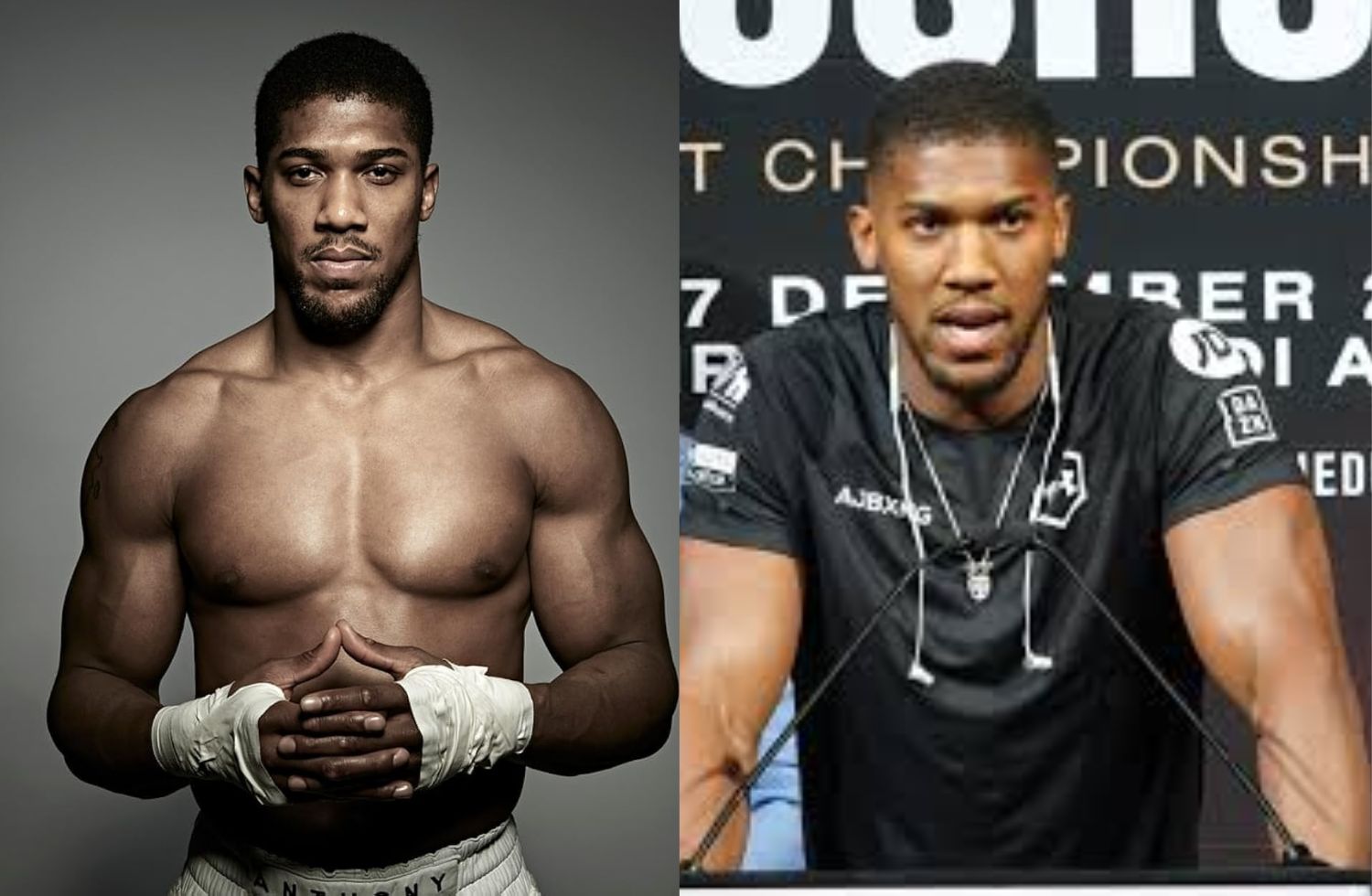
The name British boxer Anthony Joshua represents power, discipline, and modern heavyweight boxing excellence. Known globally for his athletic physique, explosive punching ability, and composed demeanor, Anthony Joshua has become one of the most influential sports figures of the 21st century. Rising from humble beginnings in London to Olympic glory and world championship titles, his journey reflects resilience, reinvention, and relentless ambition. As a former unified heavyweight world champion, Joshua’s career has included historic victories, high-profile setbacks, and impressive comebacks that continue to shape his legacy.
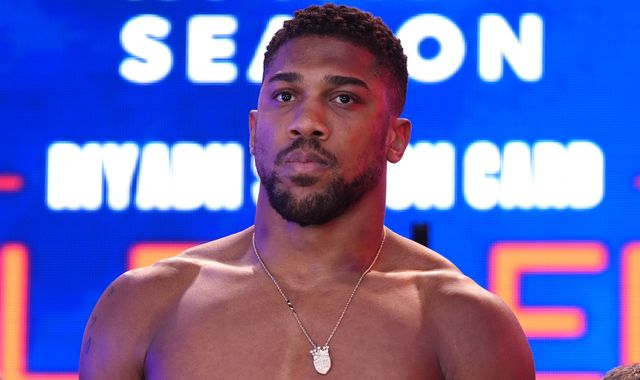
Early Life and Background
Anthony Oluwafemi Olaseni Joshua was born on October 15, 1989, in Watford, Hertfordshire, England, to Nigerian parents. He spent parts of his childhood between the UK and Nigeria, which influenced his identity and discipline. Raised primarily in North London, Joshua faced challenges common to many urban youths but found direction through sports. Initially excelling in football and athletics, he later discovered boxing as a structured outlet for his energy and competitiveness. These early experiences laid the foundation for the mindset that would define British boxer Anthony Joshua as a focused and determined athlete.
Introduction to Boxing
Joshua began boxing relatively late, at the age of 18, after joining Finchley Amateur Boxing Club. Despite his late start, his natural athleticism, strength, and work ethic quickly set him apart. Coaches recognized his potential almost immediately. Within a short time, British boxer Anthony Joshua developed fundamental skills that allowed him to compete with more experienced amateurs. His rapid progression demonstrated not only physical gifts but also mental discipline, a trait that would become central to his success at elite levels.
Amateur Career and Olympic Gold
The amateur career of British boxer Anthony Joshua reached its pinnacle at the 2012 London Olympic Games. Competing in the super-heavyweight division, Joshua delivered commanding performances that electrified home crowds. His gold medal victory marked a defining moment in British boxing history and instantly elevated him to national hero status. Prior to the Olympics, he also won silver at the 2011 World Amateur Championships, signaling his readiness for the global stage. Olympic success provided Joshua with credibility, confidence, and a platform for professional stardom.
Turning Professional
Following his Olympic triumph, Anthony Joshua turned professional in 2013, signing with Matchroom Boxing under promoter Eddie Hearn. His transition was carefully managed, emphasizing development rather than rushed title contention. Early professional fights showcased his knockout power and athletic dominance. Each bout built momentum, with Joshua quickly establishing himself as one of the most exciting prospects in the heavyweight division. The rise of British boxer Anthony Joshua coincided with a resurgence of interest in heavyweight boxing within the UK.
Early Professional Dominance
Joshua’s early professional record was marked by decisive victories, most ending in knockouts. His imposing stature—6 feet 6 inches tall with exceptional reach—combined with speed and technical improvement made him a formidable opponent. By 2015, British boxer Anthony Joshua captured the British heavyweight title, reinforcing his status as a future world champion. His disciplined approach and steady improvement impressed critics and fans alike, positioning him for global contention.
First World Title: IBF Championship
In April 2016, Anthony Joshua won his first world title by defeating Charles Martin for the IBF heavyweight championship. The fight ended in a second-round knockout, showcasing Joshua’s explosive power on the world stage. This victory marked a turning point, confirming British boxer Anthony Joshua as a legitimate global force. Holding a world title increased his visibility, responsibilities, and expectations, but he embraced the challenge with confidence and professionalism.
Legendary Fight Against Wladimir Klitschko
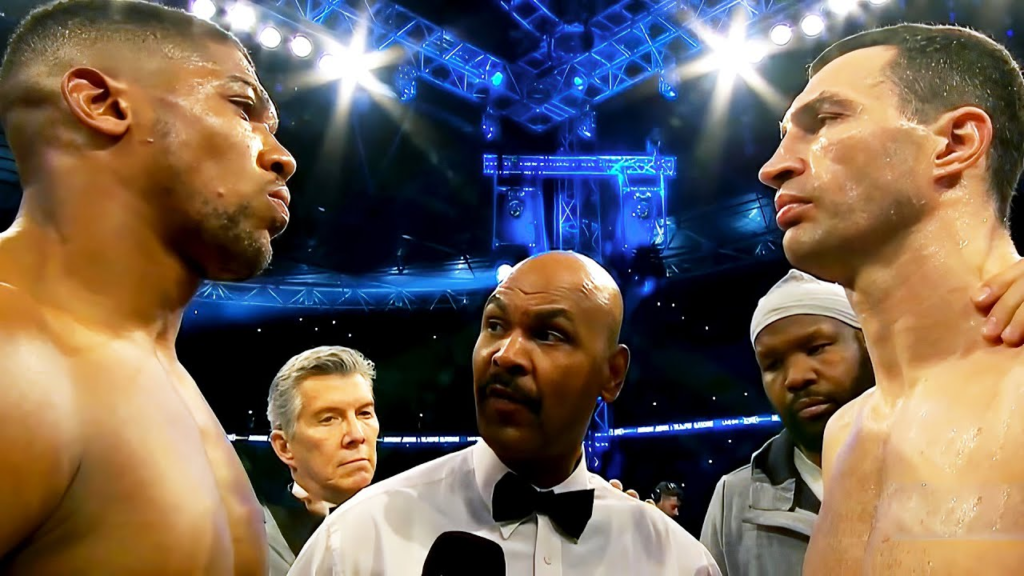
One of the most iconic bouts in modern boxing history occurred in April 2017, when British boxer Anthony Joshua faced Wladimir Klitschko at Wembley Stadium. In front of 90,000 fans, the fight delivered dramatic knockdowns, momentum swings, and elite-level skill. Joshua ultimately secured a 11th-round knockout, unifying the IBF and WBA titles. The victory earned worldwide acclaim and solidified his reputation as the face of heavyweight boxing’s new era.
Unifying the Heavyweight Division
Following the Klitschko victory, Anthony Joshua continued to unify the heavyweight division by adding the WBO title to his collection. Defeating respected contenders, he demonstrated adaptability and strategic growth. At his peak, British boxer Anthony Joshua held multiple belts simultaneously, symbolizing dominance and ambition. His reign represented a period of stability and excitement for the division, attracting global audiences and lucrative pay-per-view events.
Shock Defeat to Andy Ruiz Jr.
In June 2019, Joshua suffered a stunning upset loss to Andy Ruiz Jr. at Madison Square Garden. Knocked down multiple times, he lost his titles in one of boxing’s most unexpected outcomes. The defeat tested his mental resilience and sparked intense public scrutiny. For British boxer Anthony Joshua, this moment became a defining challenge, forcing introspection, humility, and tactical reassessment.
Redemption and Title Reclamation
Joshua responded decisively in the December 2019 rematch, defeating Andy Ruiz Jr. by unanimous decision to reclaim his heavyweight titles. Employing disciplined movement, defensive awareness, and strategic patience, he showcased growth as a boxer. This victory restored confidence and demonstrated that British boxer Anthony Joshua could adapt under pressure, reinforcing his elite status.
Rivalry with Oleksandr Usyk
Joshua’s reign faced another major test against Oleksandr Usyk, a technically brilliant former cruiserweight champion. In 2021 and 2022, Joshua lost consecutive fights to Usyk, surrendering his titles. Despite the losses, he earned respect for his competitiveness and sportsmanship. These bouts highlighted the evolving nature of heavyweight boxing, where skill and strategy rival raw power. The Usyk defeats marked a transitional phase in the career of British boxer Anthony Joshua.
Career Reset and Comeback Phase
After the Usyk losses, Anthony Joshua undertook a career reset, changing trainers and refining his approach. His focus shifted toward rebuilding confidence, fundamentals, and momentum. This phase demonstrated maturity and long-term vision, qualities that define elite athletes. Rather than rushing back into title contention, British boxer Anthony Joshua prioritized sustainable improvement.
Notable Comeback Victories
Between 2023 and 2024, Joshua secured impressive wins against Jermaine Franklin, Robert Helenius, Otto Wallin, and Francis Ngannou. The knockout victory over Ngannou in March 2024 reaffirmed his power and global appeal. These performances reignited discussions about future title opportunities and reinforced Joshua’s relevance in the heavyweight landscape.
Training Philosophy and Fighting Style
British boxer Anthony Joshua is known for a balanced fighting style combining power, athleticism, and technical discipline. He emphasizes conditioning, nutrition, and mental preparation. Over time, his style has evolved from aggressive knockout-seeking to strategic adaptability. This evolution reflects experience and a deeper understanding of the sport’s demands at elite levels.
Business Ventures and Brand Power
Beyond boxing, Anthony Joshua is a global brand. Endorsements with major companies and investments in fitness and lifestyle ventures have expanded his influence. His professionalism and marketability have made him one of the highest-earning athletes in British sports history. This business acumen complements his athletic success.
Cultural Impact and Representation
As a prominent Black British athlete, British boxer Anthony Joshua represents diversity, aspiration, and discipline. He has inspired a new generation of boxers and sports fans, particularly within underrepresented communities. His story emphasizes opportunity through dedication and structure, reinforcing boxing’s role as a pathway to empowerment.
Philanthropy and Community Work
Joshua has supported youth programs, boxing gyms, and community initiatives aimed at providing opportunities for disadvantaged young people. His charitable efforts reflect a commitment to giving back and using his platform responsibly. These actions enhance the broader legacy of British boxer Anthony Joshua beyond competition.
Current Status and Future Prospects
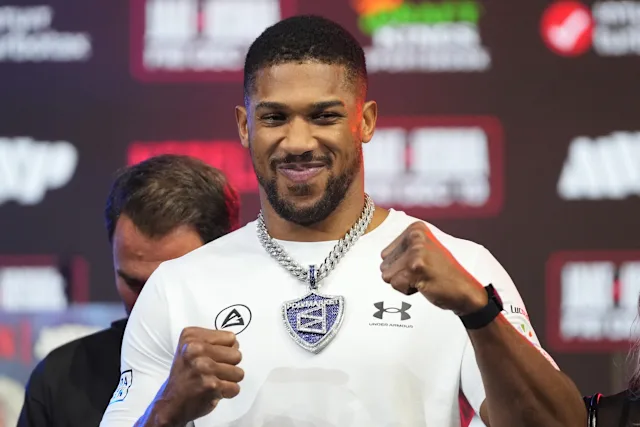
As of 2025, Anthony Joshua remains an active heavyweight contender. Discussions about potential title fights and legacy-defining matchups continue to dominate boxing media. With experience, renewed confidence, and global support, British boxer Anthony Joshua remains a central figure in the sport’s future.
Conclusion
The journey of British boxer Anthony Joshua is a powerful narrative of ambition, resilience, and evolution. From Olympic gold to world championships, from setbacks to comebacks, his career reflects the realities of elite sport. Joshua’s influence extends beyond titles, shaping modern boxing culture and inspiring millions worldwide. As his story continues, he remains a defining figure in heavyweight boxing history.
Frequently Asked Questions (FAQs)
Who is British boxer Anthony Joshua?
He is a former unified heavyweight world champion and 2012 Olympic gold medalist.
When was Anthony Joshua born?
He was born on October 15, 1989.
How many world titles has Anthony Joshua won?
He has held the IBF, WBA, and WBO heavyweight titles.
Did Anthony Joshua fight Wladimir Klitschko?
Yes, he defeated Klitschko in 2017 in a historic bout at Wembley Stadium.
Is Anthony Joshua still boxing?
Yes, as of 2025, he remains an active professional boxer.
What is Anthony Joshua known for outside boxing?
He is known for philanthropy, business ventures, and global brand influence.