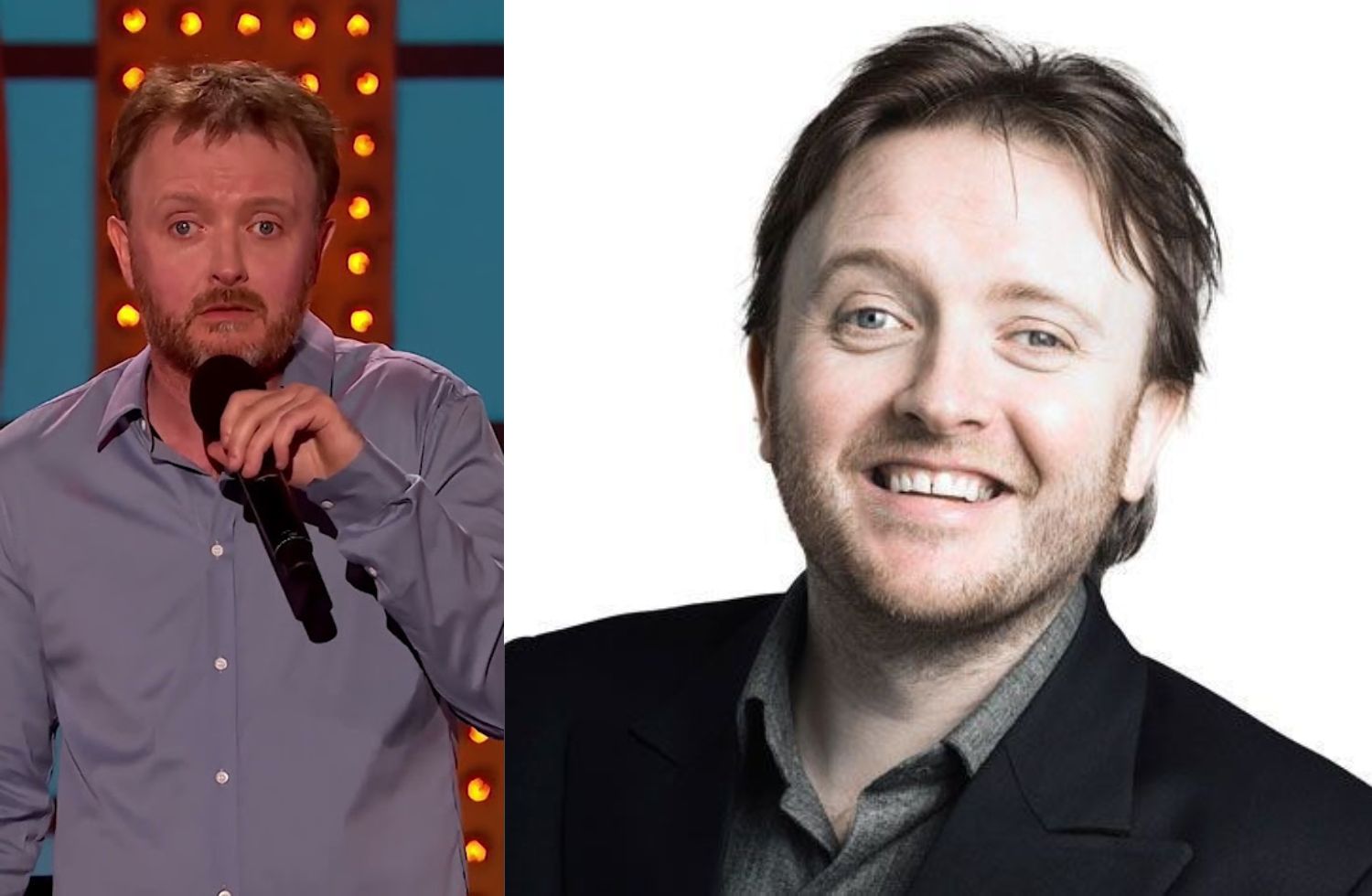
Chris McCausland has emerged as one of the most distinctive voices in modern British comedy. Known for his sharp observational humor, relaxed delivery, and unapologetic honesty, he has built a career that challenges assumptions while entertaining mainstream audiences. Blind since early adulthood, he does not treat disability as a limitation or a lesson. Instead, he weaves it naturally into stories about relationships, work, parenting, and everyday frustrations.
Over the past decade, his rise from comedy clubs to national television has reshaped conversations about inclusion in entertainment. This in-depth biography explores his early life, career journey, personal experiences, and lasting cultural impact, offering a clear and engaging portrait of a comedian who connects through laughter rather than labels.
Early Life in Liverpool
Born in 1977 in Liverpool, England, Chris McCausland grew up in a city famous for its humor, resilience, and strong sense of identity. Liverpool’s culture played an important role in shaping his comedic instincts, particularly its dry wit and self-awareness.
Raised in a working-class environment, he experienced a childhood rooted in family, community, and everyday realism. These early influences later became the foundation of his comedy, which often focuses on ordinary situations rather than exaggerated performance. Long before he stepped onto a stage, humor was already a natural part of how he communicated with others.
Family Background and Upbringing
Family life provided stability and grounding during his formative years. Growing up in a close-knit household helped shape his sense of perspective and emotional awareness.
Although he keeps many family details private, it is clear that strong support systems played a role in his resilience. That grounding would later prove essential as he navigated significant life changes. His comedy frequently reflects family dynamics, domestic routines, and the quiet humor found in everyday relationships.
The Onset of Vision Loss
A major turning point occurred in his late teens when he was diagnosed with retinitis pigmentosa, a genetic condition that causes gradual sight loss. Over time, his vision deteriorated, and by his early twenties, he was completely blind.
This transition required major physical, emotional, and social adjustments. Rather than framing the experience as tragic, he later described it as life-altering but manageable. The process forced him to rethink independence, confidence, and communication—elements that would later become central to his comedic voice.
Adjusting to Life Without Sight
Losing vision at a young age brought challenges that extended beyond physical limitations. Social interactions changed, employment options narrowed, and daily routines required adaptation.
However, these experiences also sharpened his observational skills. He learned to rely more heavily on conversation, tone, and detail. Over time, this heightened awareness became one of his greatest strengths as a performer. The ability to notice subtle social patterns would later translate seamlessly into stand-up comedy.
Education and Early Adulthood
Following school, he explored various paths while adjusting to life as a blind adult. Like many people in similar circumstances, he worked different jobs and searched for a sense of direction.
During this period, he developed strong communication skills and emotional intelligence. These qualities would later prove essential on stage, where timing, clarity, and audience awareness matter more than visual performance. Although comedy was not yet a career goal, the groundwork was quietly forming.
Finding Comedy Later in Life
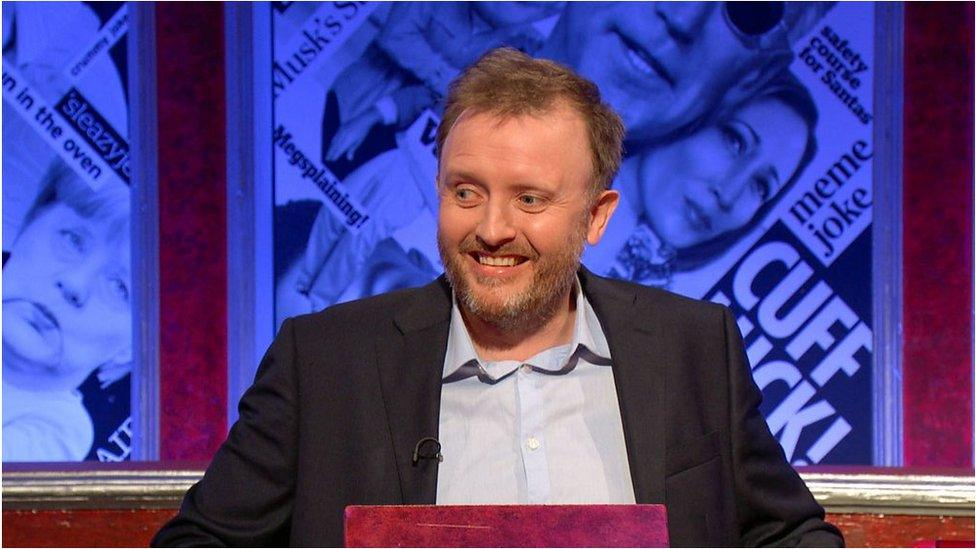
Unlike many comedians who start young, he discovered stand-up comedy in his early thirties. This later entry proved to be an advantage rather than a setback. Life experience gave his material depth, patience, and authenticity.
When he began performing at open-mic nights, audiences responded immediately. His calm delivery and unexpected punchlines set him apart from louder or more exaggerated acts. Comedy quickly shifted from curiosity to calling, offering a platform where he could control the narrative about blindness on his own terms.
Early Stand-Up Performances
Initial performances focused on real-life situations rather than shock value. He talked about navigating public transport, awkward conversations, and assumptions people make about disability.
Audiences appreciated that the jokes felt inclusive rather than uncomfortable. He never asked for sympathy, nor did he avoid difficult topics. This balance helped him build credibility early, proving he was a comedian first and a disabled performer second.
Developing a Distinct Comedy Voice
Over time, his comedic style became clearly defined. He favors observational humor, subtle irony, and conversational storytelling. Instead of centering every joke on blindness, he treats it as one aspect of a broader human experience.
This approach allows audiences to relate easily, regardless of background. His humor feels personal but universal, grounded in everyday life rather than spectacle. That balance is a key reason his comedy resonates across diverse audiences.
Building Reputation on the Comedy Circuit
As word spread, he became a regular performer on the UK comedy circuit. Appearances at respected clubs and festivals, including the Edinburgh Fringe, helped solidify his reputation.
Critics praised his confidence and originality, noting that his performances felt natural rather than rehearsed. These years of live work refined his timing and stage presence, preparing him for the transition to television.
Breakthrough on British Television
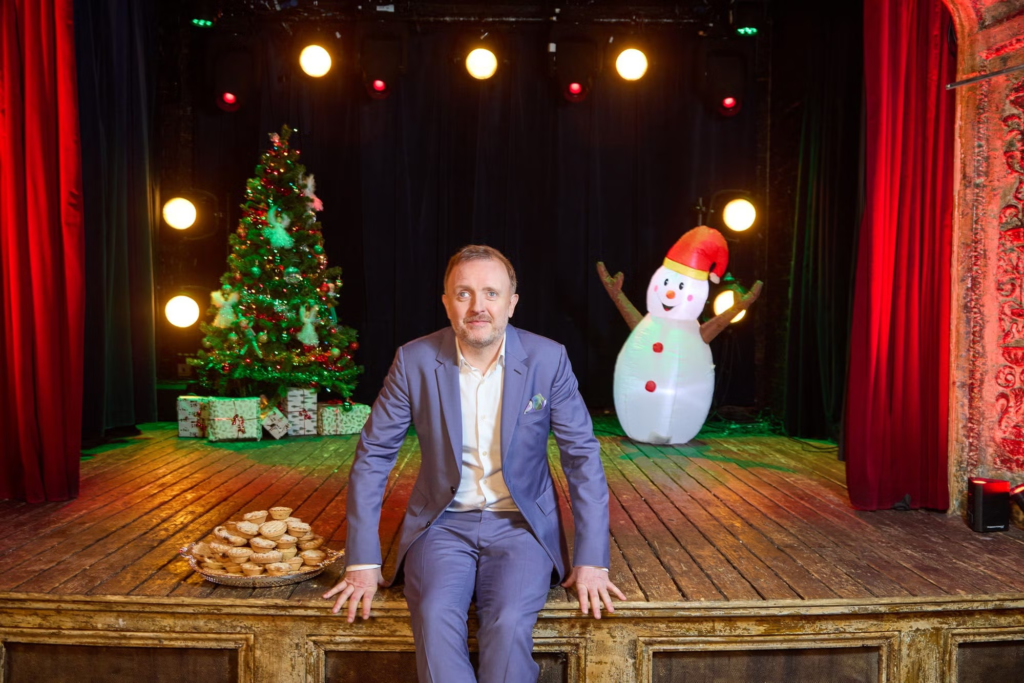
Television exposure marked a significant step forward. Appearances on panel shows such as “Would I Lie to You?”, “Have I Got News for You,” and “The Last Leg” introduced him to a wider audience.
His ability to improvise and react quickly impressed both viewers and fellow comedians. Importantly, producers treated him as an equal contributor rather than a novelty guest, reinforcing his position as a mainstream entertainer.
Success on “Would I Lie to You?”
Among his television appearances, “Would I Lie to You?” proved particularly impactful. His stories, delivered with understated confidence, often became episode highlights.
These appearances significantly increased public recognition and online searches. Many viewers who had never attended live comedy discovered his work through the show, leading to increased demand for tickets and further media opportunities.
Radio, Writing, and Audio Work
Beyond television, he has built a strong presence in radio and audio formats. BBC radio programs and podcasts have allowed him to explore topics in greater depth.
Audio platforms suit his storytelling style perfectly. Without visual elements, listeners focus entirely on language, timing, and tone—areas where he excels. These formats have helped him reach audiences who prefer long-form discussion over short television segments.
Strictly Come Dancing and National Impact
In 2024, he reached a new level of public recognition by competing on “Strictly Come Dancing.” His participation marked a significant moment for disability representation on British television.
Week after week, he demonstrated commitment, humility, and humor. Audiences responded with overwhelming support, not because of novelty, but because of genuine effort and openness. The experience expanded his reach far beyond comedy audiences.
How Strictly Changed Public Perception
Following the show, public perception shifted noticeably. Many viewers who had never watched stand-up comedy began exploring his work.
Rather than overshadowing his career, the show reinforced his authenticity. It highlighted determination without turning disability into spectacle, strengthening trust with audiences and industry professionals alike.
Personal Life and Family Values
Away from the spotlight, he lives a relatively private life with his family. He is married and often references domestic routines and parenting experiences in his comedy.
These elements add warmth and relatability to his performances. Family life grounds his humor, reminding audiences that his experiences mirror their own in many ways.
Approach to Disability Representation
Although often described as a disability advocate, he does not frame himself as an activist. Instead, representation happens naturally through visibility and competence.
By occupying mainstream spaces without explanation or apology, he challenges outdated assumptions. His success demonstrates that inclusion does not require special treatment—only equal opportunity.
Public Image and Media Reputation
Media coverage consistently portrays him as authentic, thoughtful, and intelligent. Journalists focus on his comedy and personality rather than reducing him to a single characteristic.
This respectful framing reflects the reputation he has earned through consistency and professionalism. He is widely regarded as someone who elevates conversations rather than simplifies them.
Current Projects and Career Direction in 2025
As of 2025, he continues to tour extensively, develop new material, and appear on television. Demand for live shows remains strong, and he is frequently invited onto panel programs.
With expanded recognition, future projects may include writing, further broadcasting, or extended touring. However, his focus remains firmly on stand-up comedy.
Cultural Legacy and Long-Term Influence
His broader impact lies in normalization. By succeeding without conforming to stereotypes, he has widened the definition of who belongs on mainstream stages.
Future performers with disabilities will benefit from the doors he has helped open. His career stands as evidence that authenticity and skill matter more than labels.
Conclusion
In conclusion, Chris McCausland represents a rare combination of humor, honesty, and cultural relevance. From Liverpool comedy clubs to national television, his journey reflects resilience, patience, and creative integrity. By choosing laughter over lectures, he has reshaped how disability appears in British entertainment. As his career continues to evolve, his influence will extend well beyond comedy, leaving a lasting mark on popular culture.
Frequently Asked Questions (FAQs)
1. Who is Chris McCausland?
He is a British stand-up comedian and television personality known for observational humor and panel show appearances.
2. What caused his blindness?
He lost his sight due to retinitis pigmentosa, a genetic eye condition.
3. What TV shows has he appeared on?
He has featured on Would I Lie to You?, Have I Got News for You, The Last Leg, and Strictly Come Dancing.
4. When did he start comedy?
He began performing stand-up in his early thirties.
5. Is he married?
Yes, he is married and has a family.
6. Why is his comedy so popular?
Audiences value his honesty, relatability, and inclusive humor.