Introduction
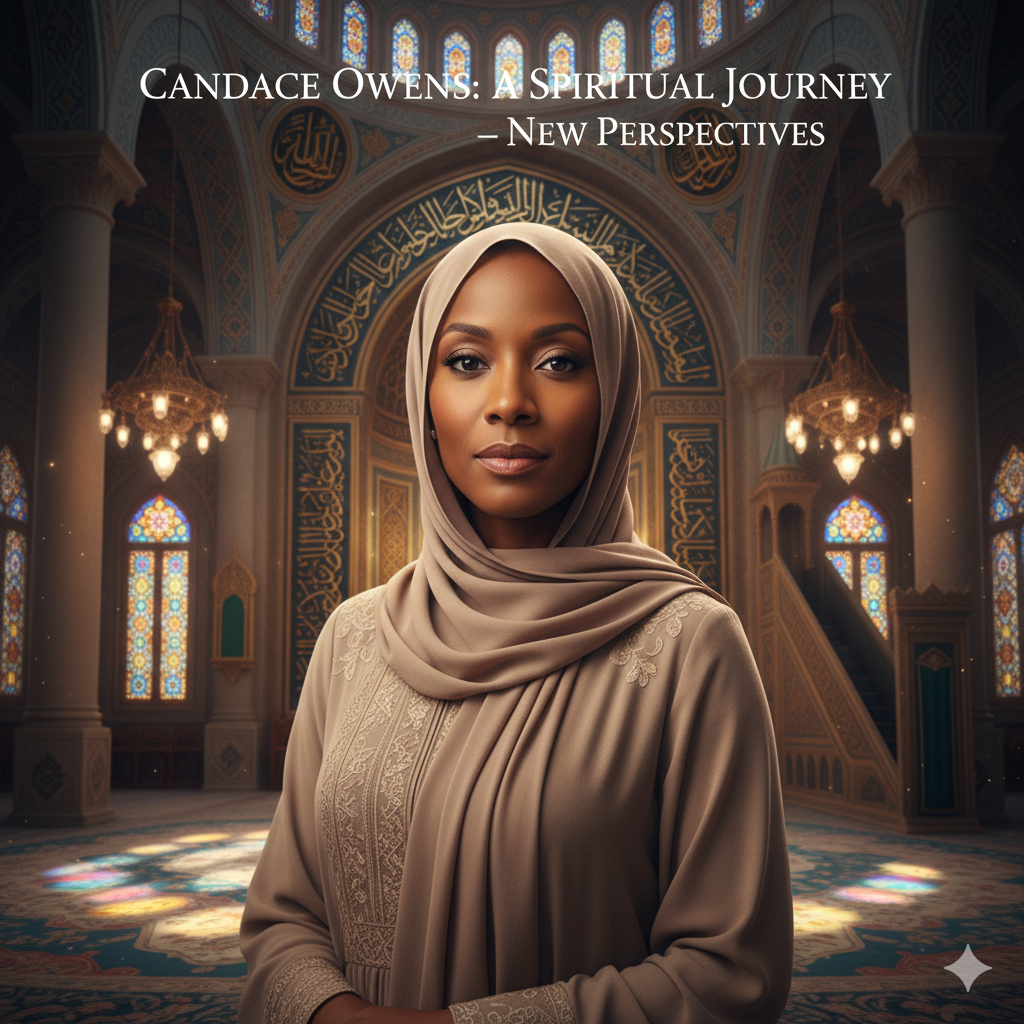
The topic of Candace Owens religion has sparked intense curiosity among supporters, critics, and political observers alike. As one of America’s most outspoken conservative commentators, Candace Owens has never shied away from discussing politics, culture, race, or social issues. However, her faith and spiritual convictions are equally significant in shaping her worldview. Understanding Candace Owens religion provides deeper insight into her public statements, values, and personal decisions.
Born on April 29, 1989, in Stamford, Connecticut, Owens rose to national prominence through her work with Turning Point USA and her viral political commentary. Yet behind the headlines and media debates lies a woman whose religious beliefs influence her views on family, morality, and society. This article explores her faith background, spiritual evolution, and how religion shapes her voice in American culture today.
Early Life and Religious Upbringing
To understand Candace Owens religion, it is essential to begin with her childhood. Raised in Connecticut, Owens grew up in a working-class household under the care of her grandparents after her parents separated. While detailed public accounts of her early religious training are limited, she has acknowledged being raised in a Christian environment.
Like many American families, religion was part of her foundational upbringing, shaping her early understanding of morality and responsibility. The influence of Christian teachings during her formative years contributed to her later emphasis on personal accountability and traditional values. Although she was not initially known for openly discussing faith, those early spiritual roots later became more visible in her public identity and commentary.
Candace Owens Religion: Christianity at the Core
At the heart of discussions surrounding Candace Owens religion is her identification as a Christian. Over the years, she has publicly referenced her Christian faith in interviews, speeches, and social media posts. Her faith often intersects with her political ideology, especially when discussing issues like family, marriage, abortion, and freedom of speech.
Owens frequently aligns herself with conservative Christian values, advocating for traditional family structures and religious liberty. She has expressed admiration for Western Judeo-Christian foundations, arguing that they shaped American democracy and moral frameworks. While she does not present herself as a theologian, her faith appears to serve as a moral compass guiding her positions on cultural debates.
Faith and Political Philosophy
The connection between Candace Owens religion and her political philosophy is unmistakable. Owens often emphasizes the importance of faith-based principles in preserving societal stability. She argues that removing religion from public life weakens moral accountability and personal discipline.
Her political commentary frequently echoes themes common in Christian conservatism: personal responsibility, limited government, and the protection of religious freedoms. For Owens, faith is not just a private matter but a societal cornerstone. She has criticized secular trends in modern culture, asserting that abandoning religious values leads to moral confusion and social decline.
Public Statements About Her Beliefs
Throughout her career, Owens has made direct and indirect references to her faith. When discussing controversial topics, she often frames arguments around moral absolutes consistent with Christian doctrine. This alignment reinforces public perception of Candace Owens religion as rooted in traditional Christianity.
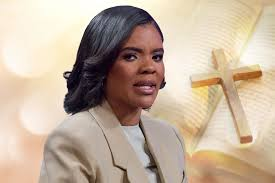
In speeches and interviews, she has spoken about prayer, faith in God, and reliance on biblical values. She has also criticized what she sees as hostility toward Christianity in mainstream media. By openly discussing faith, Owens distinguishes herself from commentators who avoid religious discourse, further solidifying religion as a visible part of her identity.
Marriage and Family Life: A Reflection of Faith
In 2019, Candace Owens married George Farmer, a British conservative activist and former chairman of Turning Point UK. Their union attracted international attention. For many observers, her marriage reinforced perceptions of Candace Owens religion as grounded in traditional Christian values.
Owens frequently speaks about the importance of marriage, motherhood, and family unity. She has emphasized that strong families are the backbone of society, a belief deeply rooted in Christian teachings. Since becoming a mother, she has further highlighted the spiritual responsibility of raising children within a value-based framework.
Influence of Judeo-Christian Values
When discussing American culture, Owens often references Judeo-Christian principles. She argues that Western civilization was built upon biblical ethics and that abandoning these foundations threatens national identity. This perspective closely aligns with conservative Christian thought.
Understanding Candace Owens religion involves recognizing her belief that moral law originates from God rather than government institutions. She views faith as essential to maintaining ethical standards in public and private life. This belief influences her critiques of progressive ideologies, which she claims undermine religious traditions.
Candace Owens and Religious Freedom
One of the most consistent themes connected to Candace Owens religion is religious liberty. Owens has defended the rights of Christians to practice their faith openly without government interference. She argues that religious freedom is a fundamental American right protected by the Constitution.
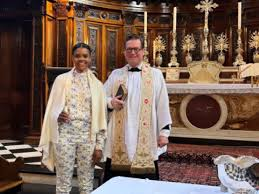
Her advocacy extends to opposing policies she perceives as restricting faith-based expression. Whether discussing school prayer, free speech, or corporate policies, Owens frequently frames her arguments around protecting religious conscience. This stance has resonated strongly with evangelical and conservative Christian audiences.
Criticism and Controversy
As with many public figures, discussions of Candace Owens religion are not without controversy. Critics argue that she sometimes blends religion with politics in ways that polarize audiences. Some question whether her faith is selectively applied to political messaging.
Despite criticism, Owens remains unapologetic about her beliefs. She has defended her right to express religious convictions publicly, asserting that faith should not be confined to private spaces. This willingness to speak openly about religion distinguishes her from more secular commentators.
Comparison With Other Conservative Commentators
Compared to figures like Ben Shapiro, Jordan Peterson, or Tucker Carlson, Owens presents her faith in a more direct and explicit manner. While others discuss morality philosophically, she often references Christianity more openly.
This openness strengthens the public association between her political identity and Candace Owens religion. By clearly identifying as a Christian, she aligns herself with a long tradition of faith-based political advocacy in America. This distinction has helped shape her brand within conservative media.
Religious Identity and Media Presence
Owens’ digital presence also reflects elements of her faith. Through podcasts, interviews, and public appearances, she incorporates religious themes when discussing current events. Her messaging appeals strongly to audiences who prioritize Christian ethics in political discourse.
Understanding Candace Owens religion requires acknowledging how seamlessly she integrates faith into her media platform. Religion is not treated as an occasional topic but as an underlying influence shaping her worldview.
Faith and Moral Responsibility
A recurring message in Owens’ speeches is personal accountability. This principle is deeply rooted in Christian theology, which emphasizes individual responsibility before God. She often argues that moral failures stem from abandoning faith-based values.
By tying morality to spirituality, Owens reinforces the idea that religion provides structure and purpose. Discussions about Candace Owens religion frequently highlight this theme, as it connects her faith directly to her cultural commentary.
Public Reactions to Candace Owens Religion
Public reactions to her faith vary widely. Supporters praise her courage in defending Christianity in secular spaces. They view her as a voice for believers who feel marginalized.
Critics, however, argue that mixing religion and politics intensifies division. Regardless of perspective, there is no denying that Candace Owens religion plays a significant role in shaping her public image.
Faith and Social Issues
On topics such as abortion, gender identity, and education, Owens frequently frames her arguments within a moral context influenced by Christianity. She has expressed pro-life views and emphasized traditional definitions of family.
These stances reflect broader conservative Christian values. As such, discussions about Candace Owens religion often emerge during debates on social policy.
Has Candace Owens Changed Religions?
There is no verified public record indicating that Owens has converted to another religion. She continues to identify with Christianity and align herself with its teachings.
Speculation occasionally arises online, but credible sources consistently describe her as a practicing Christian. Therefore, Candace Owens religion remains rooted in Christian belief.
The Role of Faith in Her Future
As Owens continues expanding her media influence, religion is likely to remain central to her messaging. Faith-based arguments resonate strongly with her audience.
Given her consistent public references to Christianity, Candace Owens religion will likely continue shaping her political commentary and cultural impact.
Conclusion
Understanding Candace Owens religion provides essential context for interpreting her political positions, media presence, and advocacy. Rooted in Christian faith and Judeo-Christian values, Owens integrates spirituality into her worldview and public identity. Her emphasis on religious freedom, traditional family structures, and moral accountability reflects a deep alignment with conservative Christian principles.
While critics debate the role of religion in politics, Owens remains firm in her belief that faith is foundational to American society. Whether admired or criticized, her religious convictions undeniably shape her influence in modern discourse.
Frequently Asked Questions (FAQs)
1. What is Candace Owens religion?
Candace Owens identifies as a Christian and aligns with conservative Christian values.
2. Has Candace Owens converted to another religion?
No verified reports indicate any religious conversion. She remains publicly identified with Christianity.
3. Does Candace Owens discuss her faith publicly?
Yes, she frequently references Christian beliefs in interviews and speeches.
4. Is Candace Owens’ husband religious?
Her husband, George Farmer, has Christian affiliations and conservative values.
5. How does religion influence her politics?
Her faith shapes her views on family, morality, religious liberty, and social issues.
6. Why is Candace Owens religion often discussed?
Because her faith is closely connected to her political and cultural commentary.