
Introduction
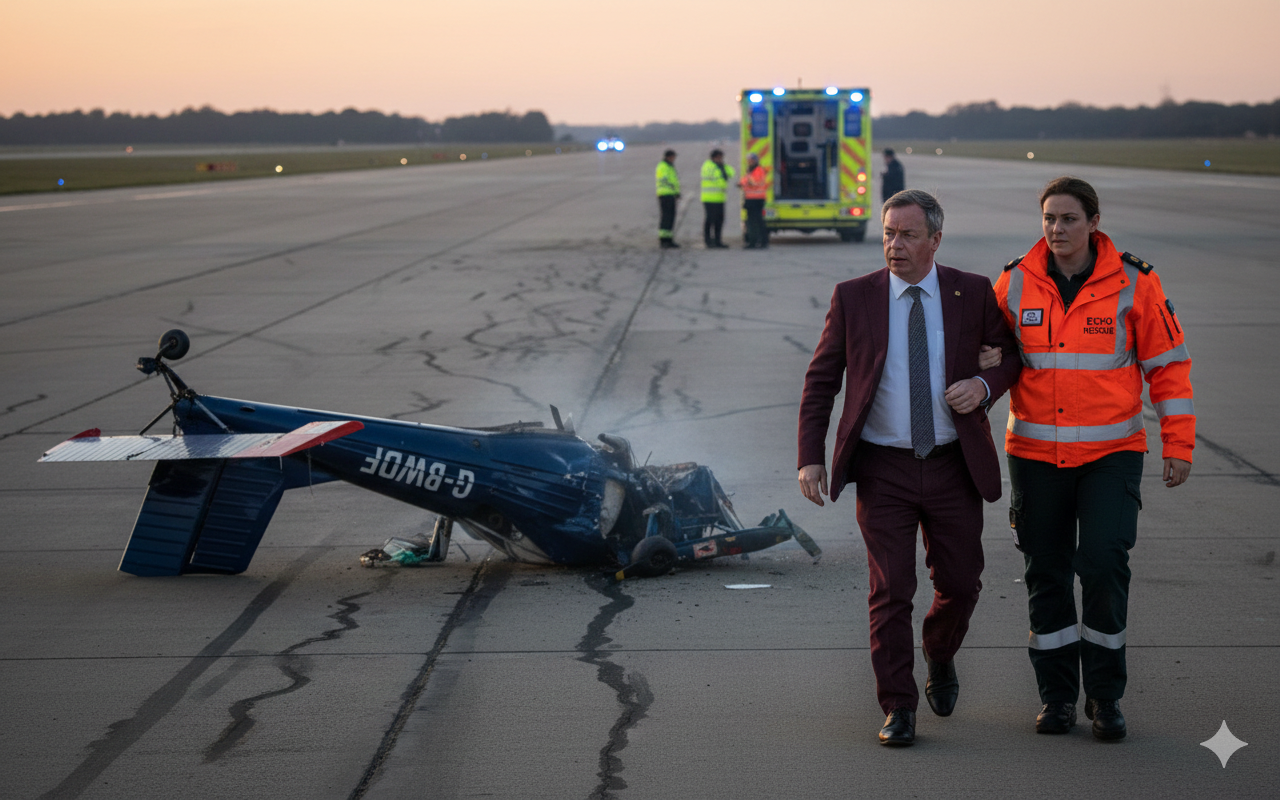
The Nigel Farage plane crash remains one of the most dramatic and shocking political incidents in modern British history. On May 6, 2010, the day of the UK General Election, Nigel Farage, then leader of the UK Independence Party (UKIP), survived a terrifying light aircraft crash that could have ended both his life and his political career. The accident occurred shortly after takeoff when a banner-towing aircraft malfunctioned and plunged to the ground.
This extraordinary event not only made headlines across the United Kingdom but also sparked widespread speculation, investigations, and political debate. Many still search for details about the Nigel Farage plane crash, its causes, and its long-term impact. In this in-depth biography-style article, we explore verified facts, political consequences, conspiracy claims, and how Farage recovered from this life-threatening ordeal.
Who Is Nigel Farage?
Nigel Farage is one of Britain’s most recognizable political figures. Born on April 3, 1964, in Farnborough, Kent, he built his reputation as a strong advocate for British sovereignty and withdrawal from the European Union. As the longtime leader of UKIP and later founder of the Brexit Party, Farage became a central figure in the Brexit movement.
Before entering politics, nigel farage plane crash worked in the commodities trading industry in London. His political career began in the 1990s when he became a founding member of UKIP. Over time, his outspoken personality, media presence, and strong anti-EU stance made him a polarizing yet influential voice in British politics. The Nigel Farage plane crash occurred at a critical moment in his political journey.
Political Climate in 2010
The Nigel Farage plane crash happened during the highly charged atmosphere of the 2010 UK General Election. UKIP was actively campaigning, pushing for Britain’s exit from the European Union, a position that was not yet mainstream in British politics.
Farage himself was contesting the Buckingham constituency against then-Speaker John Bercow. His campaign strategy included bold publicity stunts to draw attention to UKIP’s message. One such stunt involved flying a small aircraft towing a political banner. Tragically, this decision led to the aviation accident that would become known as the Nigel Farage plane crash.
The Day of the Nigel Farage Plane Crash
On May 6, 2010, Farage boarded a light aircraft at Hinton-in-the-Hedges Airfield in Northamptonshire. The plane was towing a large UKIP campaign banner that read, “Vote UKIP.” Shortly after takeoff, disaster struck.
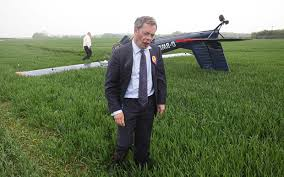
The banner reportedly became entangled with the aircraft’s tail, causing a sudden loss of control. Within moments, the aircraft nosedived into a field. The Nigel Farage plane crash happened rapidly and violently, shocking witnesses and campaign staff who were nearby. Emergency services were quickly dispatched to the scene.
Aircraft Details and Pilot Information
The aircraft involved in the Nigel Farage plane crash was a PZL-104 Wilga, a Polish-built light aircraft commonly used for banner towing and glider towing. The plane was operated by an experienced pilot, though specific operational decisions later came under scrutiny.
Banner-towing requires precise procedures during takeoff and release. Any technical malfunction or miscalculation can cause instability. According to official findings, complications during the banner attachment and takeoff phase played a crucial role in the accident. This technical failure would later be thoroughly examined by aviation authorities
Immediate Aftermath of the Crash
Following the Nigel Farage plane crash, emergency responders transported Farage to John Radcliffe Hospital in Oxford. He suffered serious but non-life-threatening injuries, including a fractured sternum, broken ribs, and lung injuries.
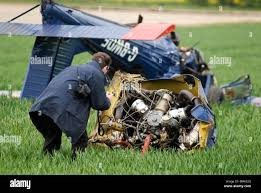
Farage was conscious after the crash, though visibly shaken and in pain. The pilot also survived. Images from the crash site showed the aircraft severely damaged, highlighting how fortunate both men were to escape with their lives. Political figures across party lines expressed relief that the incident was not fatal.
Official Investigation Findings
The Air Accidents Investigation Branch (AAIB) conducted a detailed inquiry into the Nigel Farage plane crash. Their final report identified the main cause as improper banner rigging and procedural errors during takeoff.
According to the AAIB, the banner became wrapped around the tailplane, severely limiting control of the aircraft. The investigation ruled out sabotage or foul play. Instead, it emphasized operational shortcomings and safety protocol failures. The official findings helped dispel early speculation and confirmed that the Nigel Farage plane crash was a tragic accident rather than a deliberate act.
Media Reaction and Public Response
The Nigel Farage plane crash dominated headlines on election day. Major British outlets including the BBC, The Guardian, and Sky News reported extensively on the accident. Social media platforms were flooded with reactions, ranging from sympathy to political commentary.
Many voters expressed concern about Farage’s health, while others debated whether the crash would influence the election outcome. The timing of the incident—on polling day—added to its dramatic nature. The story became one of the most talked-about events of the 2010 election cycle.
Political Impact of the Nigel Farage Plane Crash
The Nigel Farage plane crash temporarily halted his campaign in Buckingham. Although he did not win the seat, the incident significantly increased his national visibility. Some analysts argue that the media coverage strengthened UKIP’s profile.
Farage later described the crash as a turning point in his life. The sympathy and attention generated by the accident arguably contributed to his growing public recognition, which later played a role in the Brexit referendum campaign. While tragic, the event indirectly amplified his political influence.
Recovery and Return to Politics
Farage required weeks of medical treatment and rehabilitation after the Nigel Farage plane crash. Despite serious injuries, he returned to political life relatively quickly. His resilience became part of his public persona.
In interviews, Farage recounted the terrifying moments before impact. He credited emergency services and hospital staff for saving his life. The crash did not diminish his political ambition. Instead, he resumed campaigning with renewed determination.
Conspiracy Theories and Speculation
As with many high-profile incidents, the Nigel Farage plane crash generated conspiracy theories. Some speculated about sabotage due to Farage’s controversial political views. However, the official AAIB report found no evidence supporting such claims.
Farage himself acknowledged the rumors but accepted the findings of the investigation. Over time, most speculation faded as factual information became widely available. The consensus remains that the crash was caused by technical and procedural issues.
Aviation Safety Lessons Learned
The Nigel Farage plane crash highlighted the risks associated with banner-towing operations. Aviation authorities emphasized the importance of strict adherence to safety protocols and proper rigging procedures.
Following the incident, renewed discussions about light aircraft safety emerged within aviation circles. The AAIB report served as an educational resource for pilots and aviation companies, reinforcing best practices to prevent similar accidents in the future.
Comparison to Other Political Aviation Incident
Political figures have historically been involved in aviation accidents. The Nigel Farage plane crash joins a list of incidents where politicians survived near-fatal air disasters.
However, unlike some historical cases involving mechanical failures or adverse weather, Farage’s accident was directly tied to campaign activity. This unique context makes it one of the most unusual aviation incidents involving a British political leader.
Public Image Transformation
After the Nigel Farage plane crash, public perception of Farage evolved. While previously known primarily for his hardline political stance, the crash humanized him to many voters.
Surviving a life-threatening event often reshapes public narratives. For Farage, the incident reinforced an image of resilience and determination. Media interviews following his recovery showcased a more personal side of the politician.
Role in the Brexit Movement
The Nigel Farage plane crash occurred six years before the 2016 Brexit referendum. Yet, it played an indirect role in building Farage’s national recognition.
By the time the referendum campaign began, Farage had become a household name. His leadership in the Leave campaign contributed significantly to the referendum outcome. While the crash did not directly influence Brexit, it remains part of the broader story of his political rise.
Long-Term Legacy of the Incident
More than a decade later, the Nigel Farage plane crash remains a defining moment in his biography. It symbolizes both the unpredictability of life and the resilience of political figures.
For supporters, it demonstrated courage and survival. For critics, it became a footnote in a controversial career. Regardless of perspective, the event is permanently linked to Farage’s political narrative.
Timeline of Key EventS
- April 3, 1964 – Nigel Farage born
- May 6, 2010 – Nigel Farage plane crash occurs
- 2010–2015 – Continued leadership of UKIP
- June 23, 2016 – Brexit referendum victory
This timeline shows how the crash fits within the broader arc of Farage’s career.
Conclusion
The Nigel Farage plane crash was a dramatic and life-altering event that captured national attention on one of the most important days in British politics. Occurring on May 6, 2010, the accident could have ended the life of one of Britain’s most influential political figures. Instead, Farage survived and continued shaping the country’s political landscape.
Official investigations confirmed that the crash resulted from technical and procedural errors rather than foul play. In the years since, the Nigel Farage plane crash has remained a powerful chapter in his biography, symbolizing survival, controversy, and political resilience.
Frequently Asked Questions (FAQs)
1. When did the Nigel Farage plane crash happen?
The Nigel Farage plane crash occurred on May 6, 2010, during the UK General Election.
2. What caused the Nigel Farage plane crash?
According to the Air Accidents Investigation Branch, improper banner rigging caused the aircraft to lose control.
3. Did Nigel Farage survive the crash?
Yes, Nigel Farage survived but suffered serious injuries including broken ribs and lung damage.
4. Was sabotage involved in the crash?
No. Official investigations found no evidence of sabotage or foul play.
5. What plane was involved in the accident?
The aircraft was a PZL-104 Wilga, commonly used for banner towing.
6. Did the crash impact his political career?
While he lost the 2010 Buckingham seat, the crash increased his national visibility.
7. Where did the crash occur?
The crash happened shortly after takeoff from Hinton-in-the-Hedges Airfield in Northamptonshire.