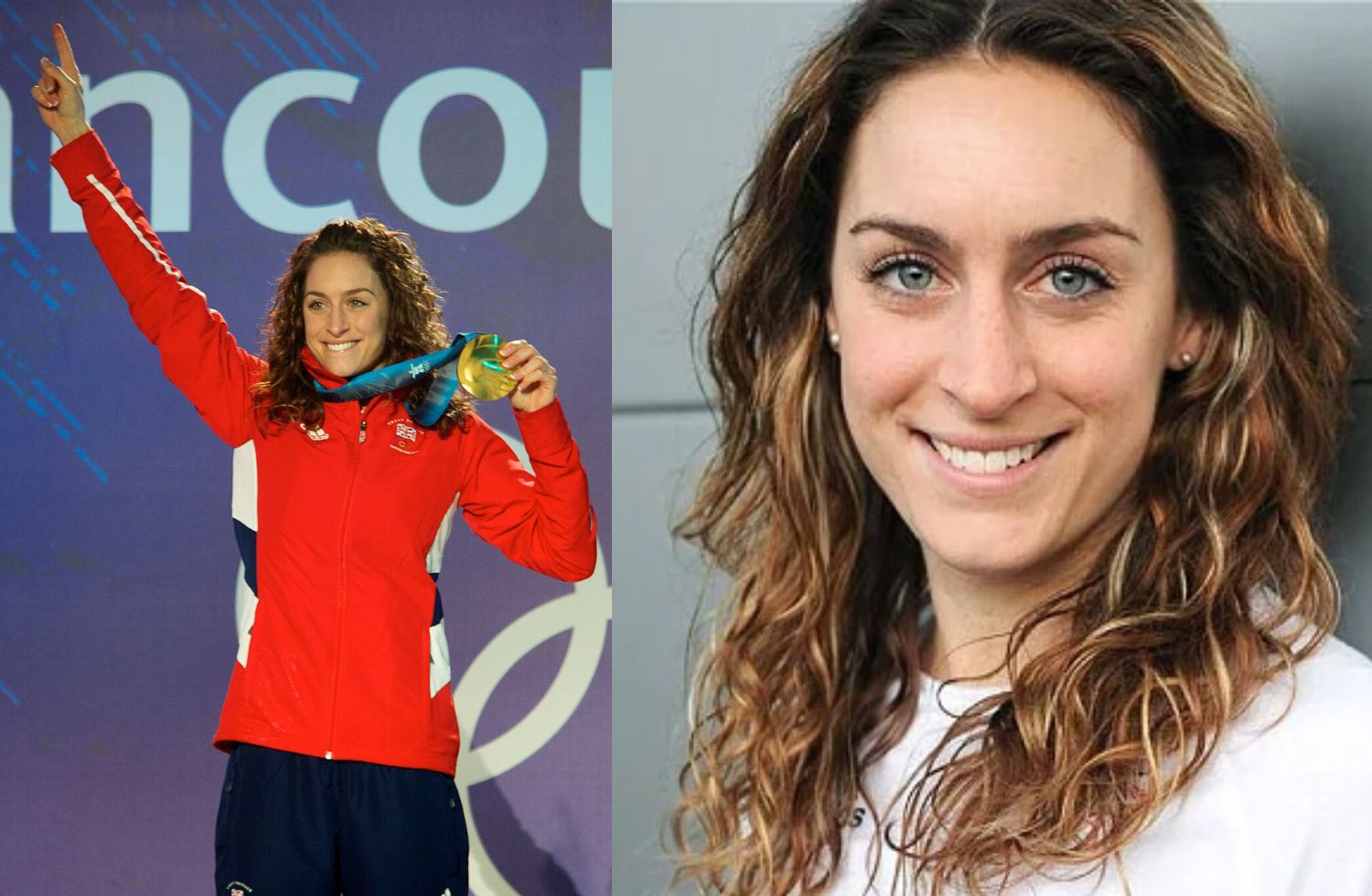
Amy Williams is a British skeleton racer who captured international attention after winning gold at the 2010 Vancouver Winter Olympics. Her victory marked a historic moment, making her the first British individual Winter Olympic champion in 30 years. Known for her speed, precision, and mental fortitude, Amy Williams skeleton racing career is an inspiring example of determination and resilience. This article explores her early life, rise in winter sports, Olympic triumph, post-retirement contributions, and enduring influence on British skeleton racing, providing a complete overview of her journey on and off the ice.
Early Life and Family
Amy Williams was born on 29 September 1982 in Hull, East Yorkshire, England. Growing up in a supportive family environment, she developed an early interest in sports, participating in athletics, track events, and school competitions. Her parents encouraged her to pursue excellence, instilling discipline and perseverance. Despite winter sports being uncommon in the UK, Amy’s determination led her to explore new avenues for competition. Her formative years provided the foundation for her focus, resilience, and competitive mindset—traits that would define her skeleton career.
Education and Early Athletic Development
Amy attended local schools in Hull, balancing academics with competitive athletics. She excelled in sprinting and other track events, gaining the explosive speed crucial for skeleton racing starts. Coaches noticed her dedication, coordination, and ability to maintain focus under pressure. These qualities later helped her adapt to the technical demands of skeleton, where precision and split-second timing determine performance. Her athletic background, combined with mental toughness cultivated during her education, prepared her for the challenges of elite winter sports.
Introduction to Skeleton Racing
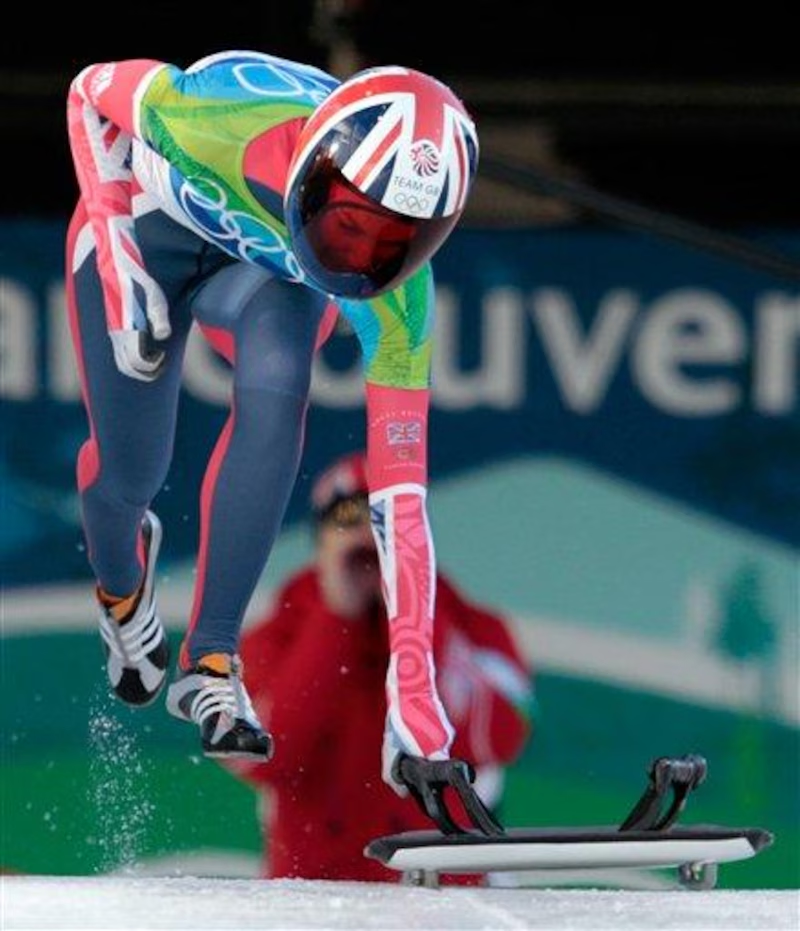
Amy Williams skeleton career began in 2002 when she was introduced to the sport by the British Bobsleigh & Skeleton Association. The thrill of sliding head-first down an ice track intrigued her, and she quickly became committed. Her sprinting experience provided an advantage at the start, critical in competitive skeleton. Amy dedicated herself to learning the technical aspects, from sled control to optimal racing lines. Early mentorship and coaching helped refine her natural talent, allowing her to progress through national and international competitions with remarkable speed.
Early National Competitions
Amy’s early competitions in Britain showcased her potential. She quickly gained recognition for her explosive starts and smooth runs. Facing more experienced athletes, she relied on technique, determination, and consistent performance. By 2003, she had established herself as a strong competitor in national skeleton events, earning respect from coaches and peers. These formative competitions built confidence and competitive maturity, essential for her transition to the international skeleton circuit.
International Debut
Amy made her international skeleton debut in 2004, competing in the Skeleton World Cup circuit. She traveled across Europe and North America, gaining exposure to different tracks and elite competition. Early results were encouraging, reflecting her adaptability and mental resilience. Competing internationally allowed her to refine strategies, track navigation, and race-day focus. Coaches praised her technical skill, determination, and ability to perform under pressure. Her rapid adaptation signaled her potential to become a leading figure in skeleton racing.
Climbing the World Rankings
Between 2005 and 2009, Amy Williams skeleton steadily climbed the world rankings. Strong World Cup performances, combined with rigorous training, positioned her as Britain’s top skeleton competitor. Her success was notable in a sport with limited domestic support, demonstrating her resourcefulness and dedication. By consistently finishing among the top athletes internationally, she built momentum and confidence. This period laid the groundwork for her historic Olympic campaign, signaling readiness for the pinnacle of the sport.
Training and Technique
Skeleton racing demands a unique combination of speed, strength, and precision. Amy’s training included explosive sprint work, core strength development, and repeated track practice. She studied each course meticulously, analyzing curves, straights, and braking zones. Mental preparation, including visualization and focus exercises, was central to her success. Her technique emphasized aerodynamics, subtle sled control, and maintaining maximum velocity. Coaches regarded her as one of the most technically proficient British skeleton athletes, combining athleticism with strategic intelligence.
Qualification for the 2010 Winter Olympics
By 2009, Amy Williams skeleton had secured her position as Britain’s leading skeleton athlete. Qualification for the Vancouver Winter Olympics required consistent World Cup results and excellence in national trials. Amy’s consistent performance, dedication, and mental focus earned her a spot on Team GB. Her Olympic qualification reflected years of discipline and preparation, marking a major milestone in her career. The stage was set for a historic performance that would redefine British winter sports.
Vancouver 2010: Olympic Gold
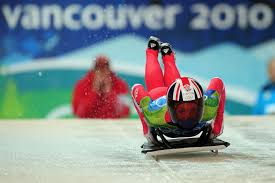
At the 2010 Winter Olympics in Vancouver, Amy delivered a series of flawless runs. Her explosive starts, technical precision, and mental composure culminated in the gold medal, Britain’s first individual Winter Olympic gold since 1980. She outpaced international rivals with consistent, aerodynamic runs, inspiring national celebrations. The victory cemented her status as a British sporting icon, and her achievement became a benchmark for future winter athletes. Amy’s triumph demonstrated how preparation, skill, and focus can produce historic results.
Post-Olympic Career
Following her Olympic success, Amy continued competing in the World Championships and Skeleton World Cups. Although she faced tough international competition, she maintained top-tier performances and inspired new athletes. She used her experience to mentor emerging skeleton racers, sharing insights on technique, strategy, and mental resilience. Amy’s post-Olympic career emphasized commitment to the sport beyond personal accolades, reinforcing her role as both competitor and ambassador for skeleton racing.
Retirement from Competitive Skeleton
Amy retired in 2012, after a distinguished career marked by Olympic triumph and consistent World Cup success. Retirement allowed her to pursue media work, coaching, and mentorship. She remained engaged with skeleton racing, supporting British winter sports programs and inspiring future generations. Her transition highlighted the importance of legacy and contribution, beyond personal competition.
Media Work and Commentary
Post-retirement, Amy has appeared as a commentator and analyst for skeleton and winter sports events. Her insight and firsthand experience provide audiences with expert analysis on racing technique, strategy, and competition psychology. Amy’s media presence ensures her continued influence in the sport, promoting skeleton racing in the UK and encouraging young athletes to pursue winter sports.
Contributions to British Winter Sports
Amy has played a key role in raising the profile of skeleton racing in the UK. Through public appearances, coaching programs, and speaking engagements, she has encouraged youth participation in winter sports. Her success inspired funding for British skeleton programs and increased media coverage of sliding sports. Her influence extends beyond performance, contributing to the growth and sustainability of winter athletics in the UK.
Awards and Recognition
In recognition of her achievements, Amy Williams skeleton has received numerous awards, including national sporting honors and public accolades. Her Olympic gold remains a milestone in British sports history. She has been invited to speaking engagements and mentoring programs, reflecting both athletic excellence and her role as an ambassador for women in sports. Her accolades highlight her influence as a trailblazer in winter athletics.
Personal Life
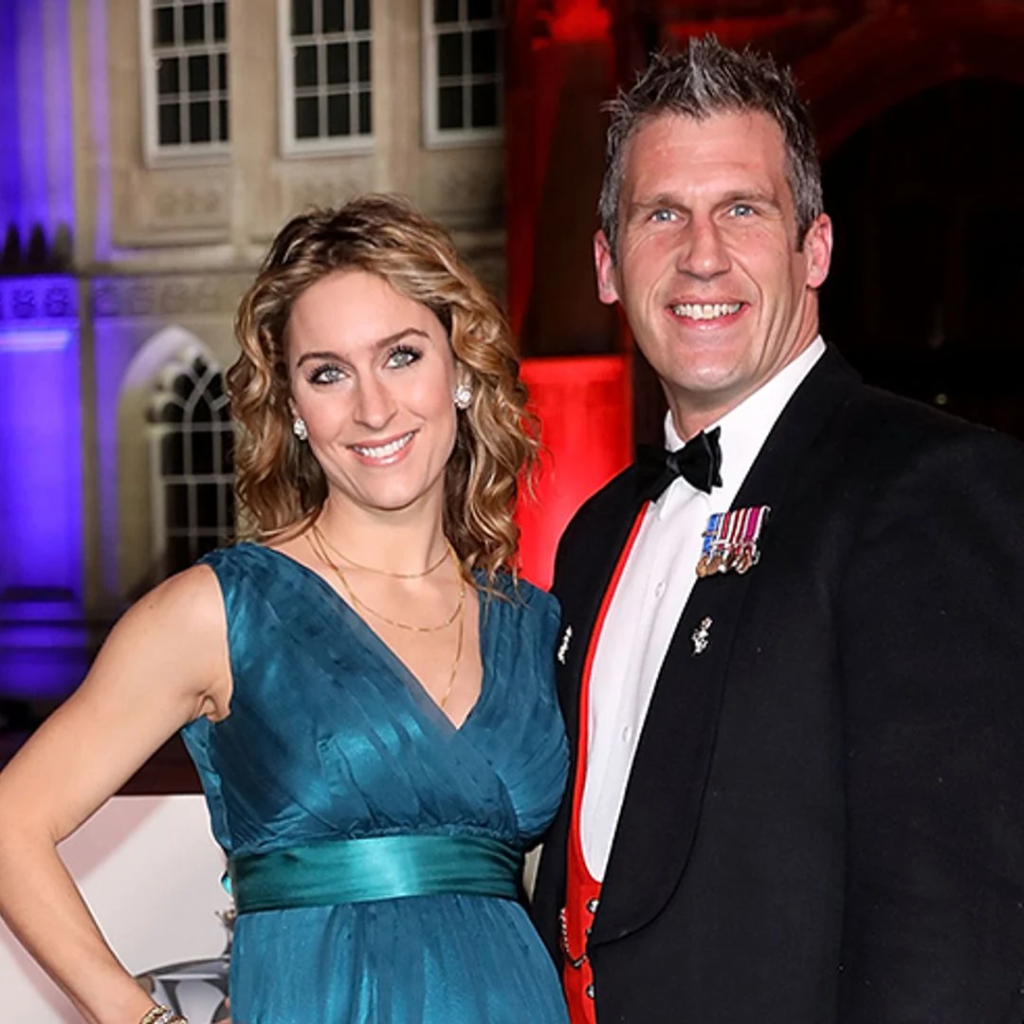
Outside competitive skeleton racing, Amy enjoys fitness, outdoor activities, and promoting health and sports participation. She maintains a relatively private personal life but is active in mentoring and public speaking. Her journey from Hull to Olympic champion provides inspiration for athletes, particularly young women seeking to excel in less prominent sports. Her personal values—discipline, focus, and resilience—have shaped both her career and public image.
Legacy and Inspiration
Amy Williams skeleton leaves an enduring legacy in British winter sports. Her Olympic success, combined with post-retirement advocacy, has inspired countless athletes to pursue skeleton racing. She exemplifies how dedication, mental strength, and technical skill can achieve historic outcomes. Amy’s story continues to motivate aspiring winter sports competitors and contributes to the growth of British skeleton on the international stage.
Conclusion
In conclusion, Amy Williams skeleton is a celebrated figure whose career transformed British winter sports. From her early life in Hull to Olympic gold in Vancouver, she demonstrated skill, perseverance, and mental resilience. Beyond competition, she has become a mentor, commentator, and advocate for youth participation in sports. Her journey serves as an enduring source of inspiration, showcasing the power of dedication, preparation, and determination in achieving extraordinary success.
Frequently Asked Questions (FAQs)
Who is Amy Williams?
Amy Williams is a British skeleton racer and Olympic gold medalist.
When did Amy Williams win her Olympic gold medal?
She won at the 2010 Winter Olympics in Vancouver.
What is skeleton racing?
Skeleton is a winter sport where athletes race head-first on a small sled down an ice track.
Where is Amy Williams from?
She was born in Hull, East Yorkshire, England.
Did Amy Williams compete internationally?
Yes, she competed in World Cups, World Championships, and the Winter Olympics.
When did Amy Williams retire from skeleton racing?
She retired from competitive racing in 2012.
What is her legacy?
She inspired a generation of British winter athletes and elevated the profile of skeleton racing in the UK.