Understanding Future Fashion Trends 2030
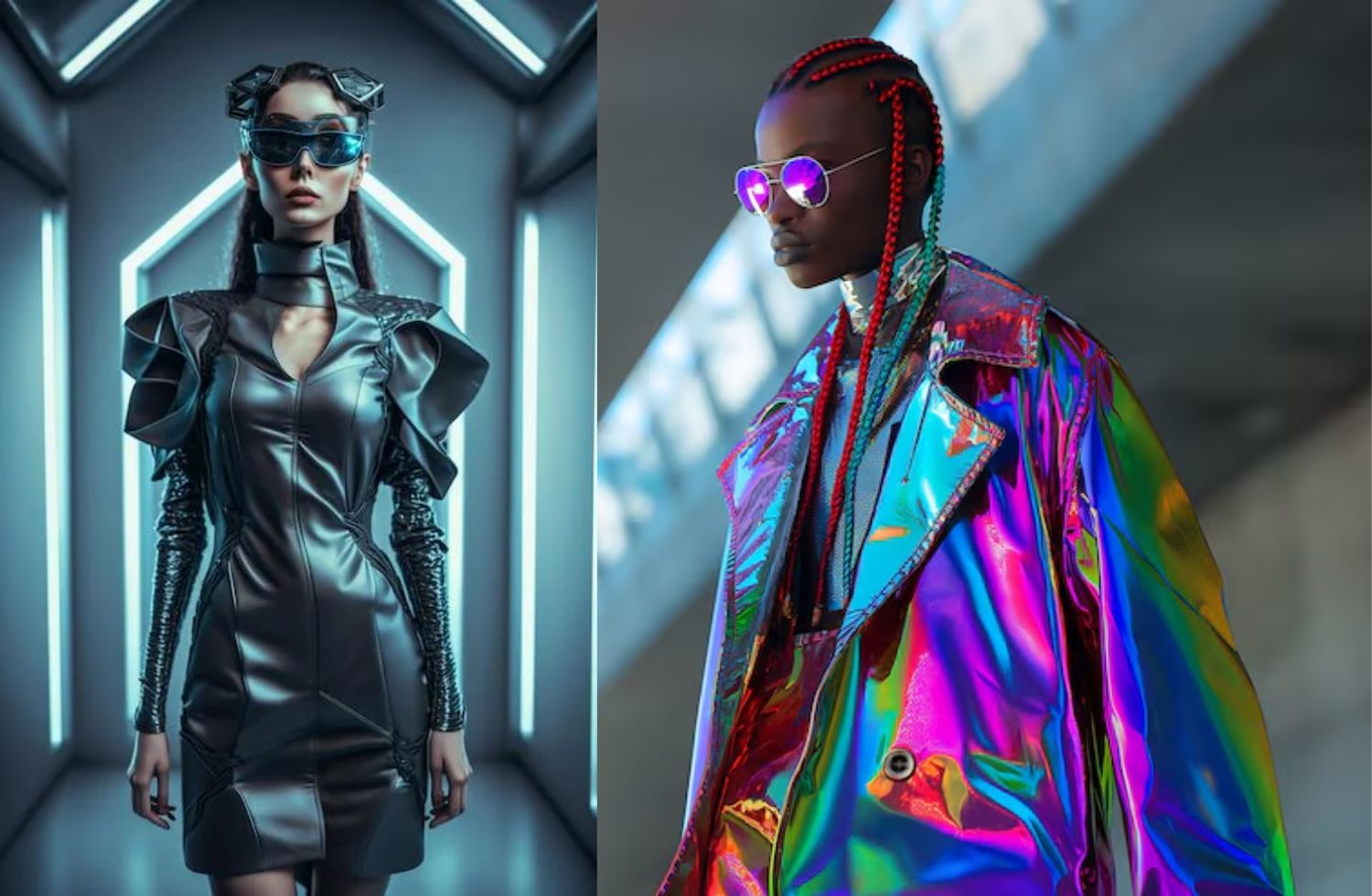
The concept of future fashion trends 2030 goes far beyond changing hemlines or seasonal colors. Fashion in 2030 will be shaped by technology, sustainability, social values, and global innovation, reflecting how humanity adapts to climate change, digital lifestyles, and evolving identities. As consumers become more conscious and tech-savvy, the fashion industry is undergoing one of the most radical transformations in its history.
The Evolution of Fashion Toward 2030
Fashion has always mirrored society, and future fashion trends 2030 will reflect a world that values efficiency, ethics, and personalization. Unlike past decades driven by fast fashion cycles, the road to 2030 emphasizes longevity and responsibility.
Technological acceleration, environmental awareness, and changing consumer expectations are pushing brands to innovate faster than ever. Fashion is no longer just about aesthetics—it is a combination of science, storytelling, and sustainability, setting the foundation for what people will wear, why they wear it, and how it is made.
Sustainability as the Core of Future Fashion Trends 2030
Sustainability will sit at the heart of future fashion trends 2030, transforming every stage of the supply chain. Brands are moving away from harmful practices toward eco-friendly materials, reduced waste, and carbon-neutral production.
By 2030, sustainable fashion will no longer be a niche—it will be the industry standard. Consumers are demanding transparency, ethical sourcing, and environmentally responsible manufacturing. Governments and global organizations are also enforcing stricter regulations, ensuring that sustainability is embedded into the future of fashion rather than treated as a marketing trend.
Circular Fashion and the Rise of Closed-Loop Systems
One of the most significant future fashion trends 2030 is the adoption of circular fashion models. Instead of the traditional “make, use, dispose” system, brands are designing clothes meant to be reused, repaired, or recycled indefinitely.
Closed-loop systems reduce textile waste by reintroducing old garments into the production cycle. Major fashion houses and startups alike are investing in recycling technology, resale platforms, and rental services, ensuring clothing maintains value long after its first use. This shift supports both sustainability and affordability.

Smart Fabrics and Wearable Technology
Technology will redefine textiles, making smart fabrics a defining feature of future fashion trends 2030. These fabrics can regulate temperature, monitor health metrics, or adapt to environmental conditions in real time.
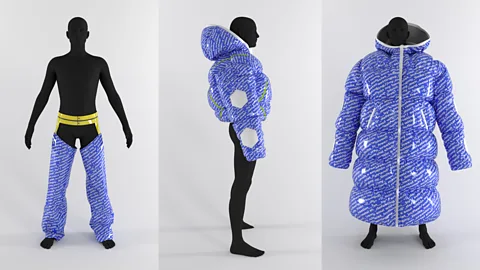
Wearable technology will blend seamlessly into everyday clothing rather than existing as separate devices. Jackets may adjust insulation automatically, while athletic wear tracks performance and recovery. By 2030, fashion will merge functionality with design, offering clothing that actively enhances daily life.
Artificial Intelligence in Fashion Design
Artificial intelligence is reshaping creativity, and future fashion trends 2030 will see AI become a core design tool. AI systems analyze consumer preferences, cultural shifts, and market data to predict trends and generate designs with remarkable accuracy.
Rather than replacing designers, AI enhances their capabilities, allowing faster prototyping and more personalized collections. Brands can reduce waste by producing only what consumers want, aligning creativity with efficiency and sustainability.
Personalized and Made-to-Measure Clothing
Mass customization will dominate future fashion trends 2030. Advances in 3D body scanning, AI tailoring, and on-demand manufacturing will allow consumers to order perfectly fitted garments from anywhere in the world.
This shift reduces overproduction and returns while improving customer satisfaction. Personalized fashion also empowers individuals to express identity through unique designs, moving away from generic sizing and standardized styles.
Digital Fashion and Virtual Clothing
Digital fashion is no longer experimental—it is essential to future fashion trends 2030. Virtual garments designed for social media, gaming, and the metaverse allow users to express style without physical production.
Luxury brands are already selling digital-only collections, and by 2030, virtual wardrobes will coexist with physical ones. This innovation reduces environmental impact while expanding creative freedom in digital spaces.
The Metaverse and Fashion’s Virtual Expansion
The metaverse will act as a new runway for future fashion trends 2030. Avatars wearing designer outfits in virtual worlds will influence real-world fashion choices.
Fashion shows, product launches, and brand experiences will increasingly take place in immersive digital environments. This shift allows global participation, breaking geographical barriers and redefining how fashion is marketed and consumed.
Gender-Fluid and Inclusive Fashion
Inclusivity is a defining value of future fashion trends 2030. Gender-fluid clothing will become mainstream, with designs focusing on comfort, adaptability, and self-expression rather than traditional gender norms.
Brands are recognizing that consumers want clothing that reflects identity rather than labels. By 2030, size inclusivity, adaptive fashion for disabilities, and culturally diverse designs will be standard industry expectations.
Minimalism and Timeless Design
While trends evolve, future fashion trends 2030 will emphasize timeless design over disposable style. Minimalism—clean lines, neutral palettes, and versatile silhouettes—will dominate wardrobes.
This approach supports sustainability by encouraging long-term use rather than seasonal replacement. Consumers will invest in fewer, higher-quality pieces that transcend trends and occasions.
Advanced Textile Innovation
Textile science will drive future fashion trends 2030 through innovations like lab-grown leather, mushroom-based fabrics, and bio-engineered fibers. These materials offer durability without environmental harm.
Such innovations reduce reliance on animal products and fossil fuels, aligning fashion with global sustainability goals. Textile innovation ensures that future fashion is both ethical and high-performing.
Local Production and On-Demand Manufacturing
Decentralized production will shape future fashion trends 2030. Localized manufacturing hubs using automation and 3D printing reduce transportation emissions and speed up delivery times.
On-demand manufacturing eliminates excess inventory, ensuring garments are produced only when ordered. This model supports sustainability while responding quickly to changing consumer preferences.
Cultural Fusion and Global Inspiration
Global connectivity will influence future fashion trends 2030, blending cultural aesthetics from around the world. Designers will draw inspiration respectfully, emphasizing collaboration rather than appropriation.
This cultural fusion creates diverse fashion narratives that celebrate heritage while embracing modernity. Technology enables designers to collaborate across borders, enriching global fashion ecosystems.
Ethical Labor and Transparent Supply Chains
Consumers in 2030 will demand full transparency, making ethical labor practices central to future fashion trends 2030. Blockchain technology will allow customers to trace garments from raw material to finished product.
Brands that fail to ensure fair wages and safe working conditions will struggle to survive. Transparency will become a competitive advantage rather than an optional feature.
Fashion and Climate Adaptation
Climate change will influence future fashion trends 2030 through adaptive design. Clothing will be engineered for extreme weather, offering insulation, breathability, and protection.
Fashion will respond to rising temperatures and unpredictable climates, ensuring comfort and resilience without sacrificing style. This practical innovation highlights fashion’s role in human adaptation.
The Role of Social Media and Influencers in 2030
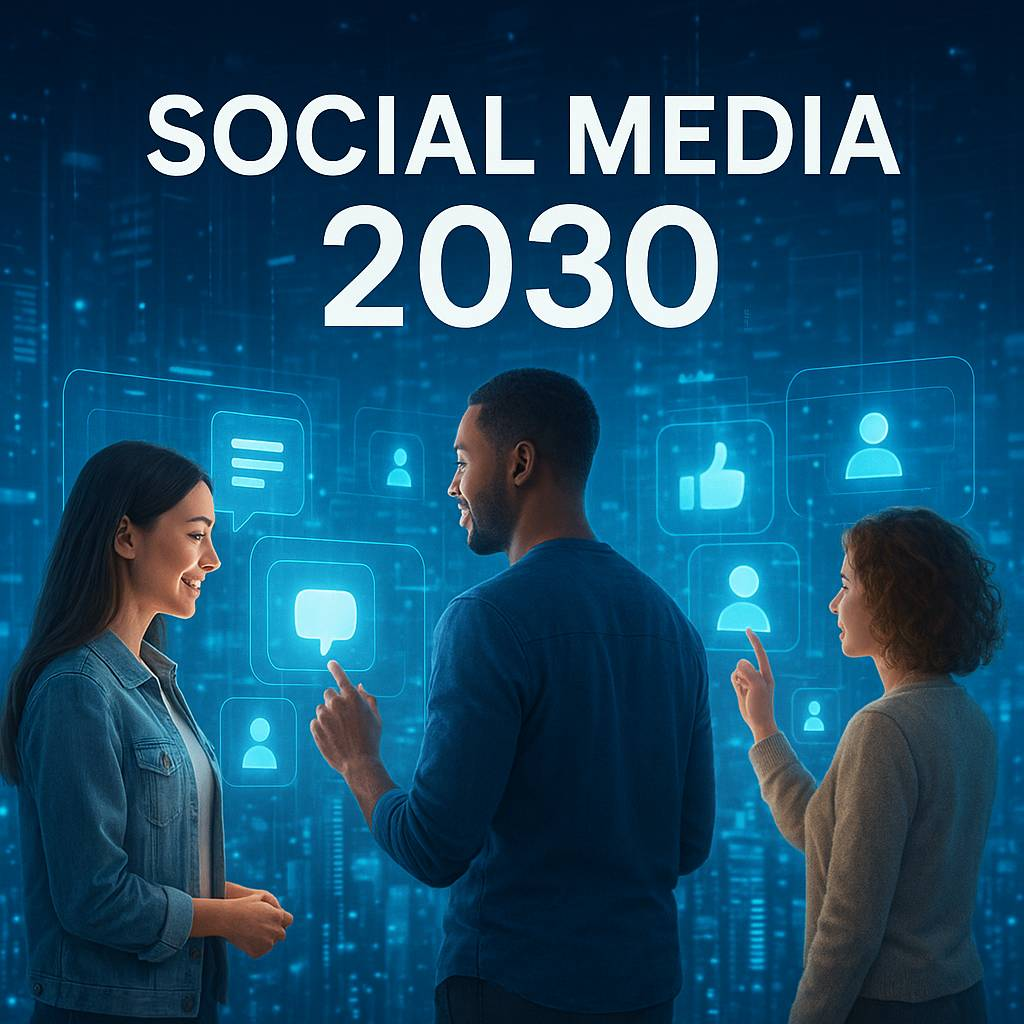
While platforms evolve, digital influence will remain crucial to future fashion trends 2030. Influencers will focus more on education, sustainability, and authenticity rather than pure aesthetics.
Virtual influencers powered by AI will coexist with human creators, shaping trends across digital and physical spaces. This hybrid influence model reflects the merging of technology and culture.
Luxury Fashion’s Transformation
Luxury brands will redefine exclusivity within future fashion trends 2030. Value will shift from scarcity to craftsmanship, ethics, and innovation.
Luxury fashion will invest heavily in sustainable materials, digital fashion, and personalized experiences. Ownership may include both physical and digital assets, expanding the definition of luxury.
How Consumers Will Shop Fashion in 2030
Shopping experiences will become immersive, influencing future fashion trends 2030. Augmented reality (AR) fitting rooms and AI stylists will personalize shopping journeys.
Consumers will make informed decisions based on sustainability scores, durability, and ethical impact. Fashion shopping will be less impulsive and more intentional, aligning with evolving values.
Conclusion: The Meaning of Future Fashion Trends 2030
In conclusion, future fashion trends 2030 represent a profound shift toward sustainability, technology, inclusivity, and personalization. Fashion will no longer be defined solely by appearance but by purpose, responsibility, and innovation.
As the industry adapts to global challenges, fashion in 2030 will empower individuals to express identity while protecting the planet. Understanding these trends helps consumers and brands prepare for a future where style and ethics coexist seamlessly.
Frequently Asked Questions (FAQs)
1. What are the biggest future fashion trends 2030?
Sustainability, smart fabrics, digital fashion, and personalization will dominate.
2. Will fast fashion still exist in 2030?
Fast fashion will decline significantly due to environmental regulations and consumer awareness.
3. How will technology impact fashion by 2030?
AI, smart textiles, AR, and digital fashion will transform design and shopping.
4. Is sustainable fashion affordable in the future?
Yes. Innovations and circular models will make sustainability more accessible.
5. What role will digital fashion play in 2030?
Digital fashion will expand self-expression while reducing environmental impact.
6. Will gender-neutral fashion become mainstream?
Yes. Inclusivity is central to future fashion trends 2030.